“The greatest threat to our planet is the belief that someone else will save it.”
Environmental Responsibility
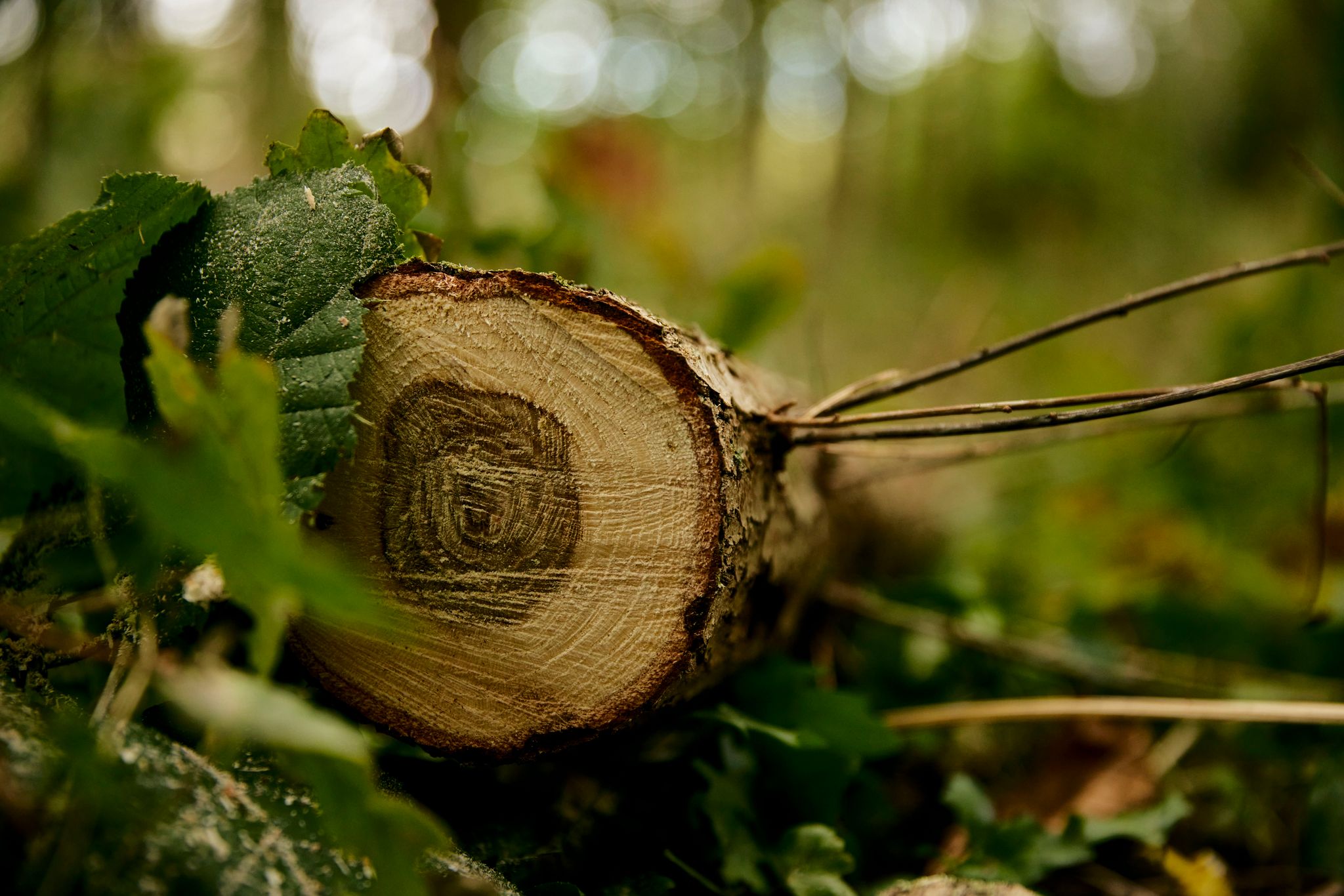
Timber is the most sustainable building material on the planet. It is naturally renewable, stores carbon throughout its life, and requires significantly less energy to produce than steel, concrete or plastics. When forests are responsibly managed, harvesting supports continuous regeneration, ensuring that new growth replaces what is used.
Wood is recyclable, biodegradable and non-toxic, and its continued use gives forests economic value — helping protect them from being cleared for alternative land use. When sourced responsibly, timber is not simply sustainable; it is an essential part of a lower-carbon future.
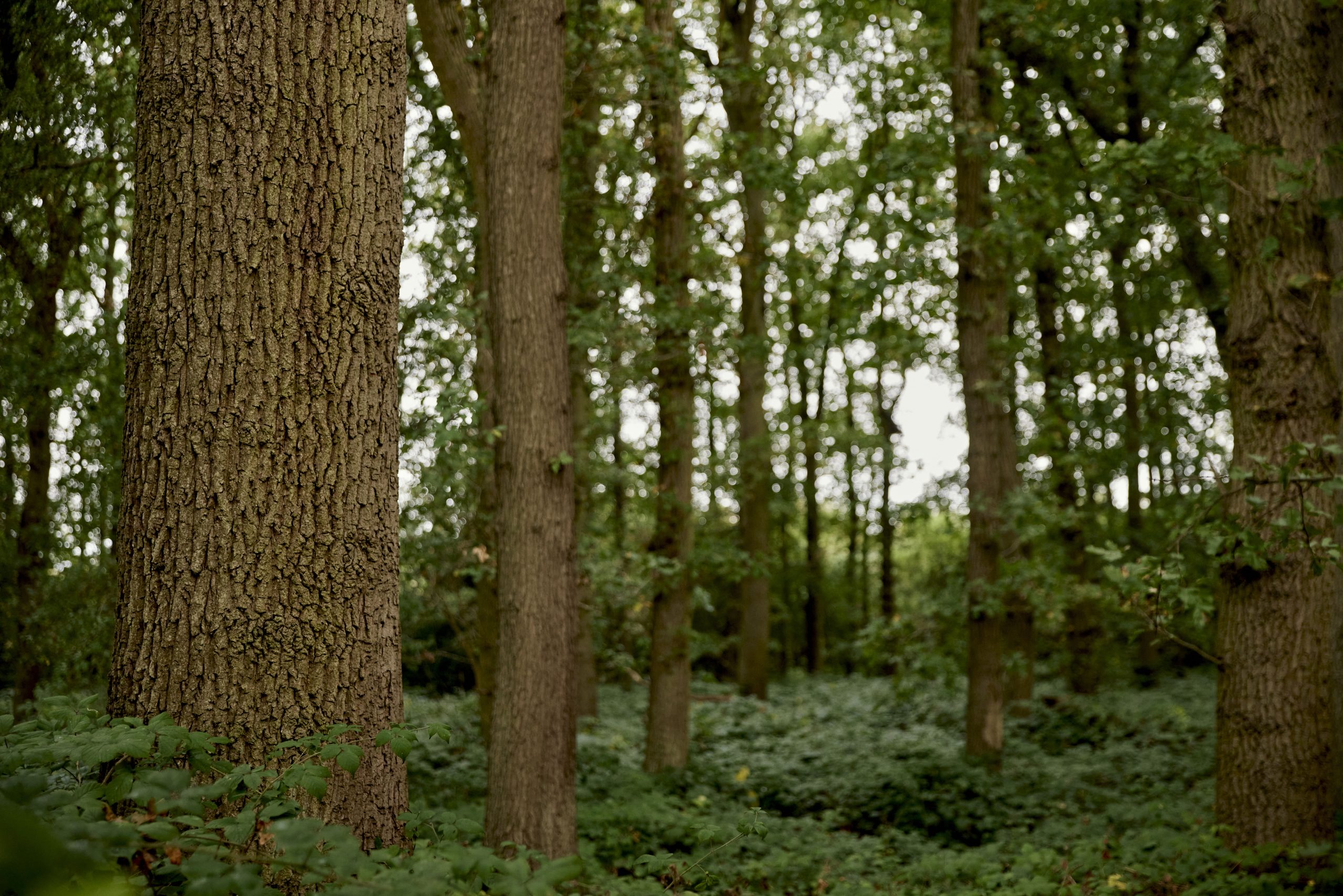
Sustainable Timber & Responsible Sourcing
Sykes Timber is committed to sourcing timber from legal and responsibly managed origins. We fully support the requirements of the UK Timber Regulation (UKTR), which prohibits illegally harvested timber from entering the UK market. As part of this commitment, Sykes Timber is both FSC® and PEFC certified, providing customers with independently verified assurance where certification is required.
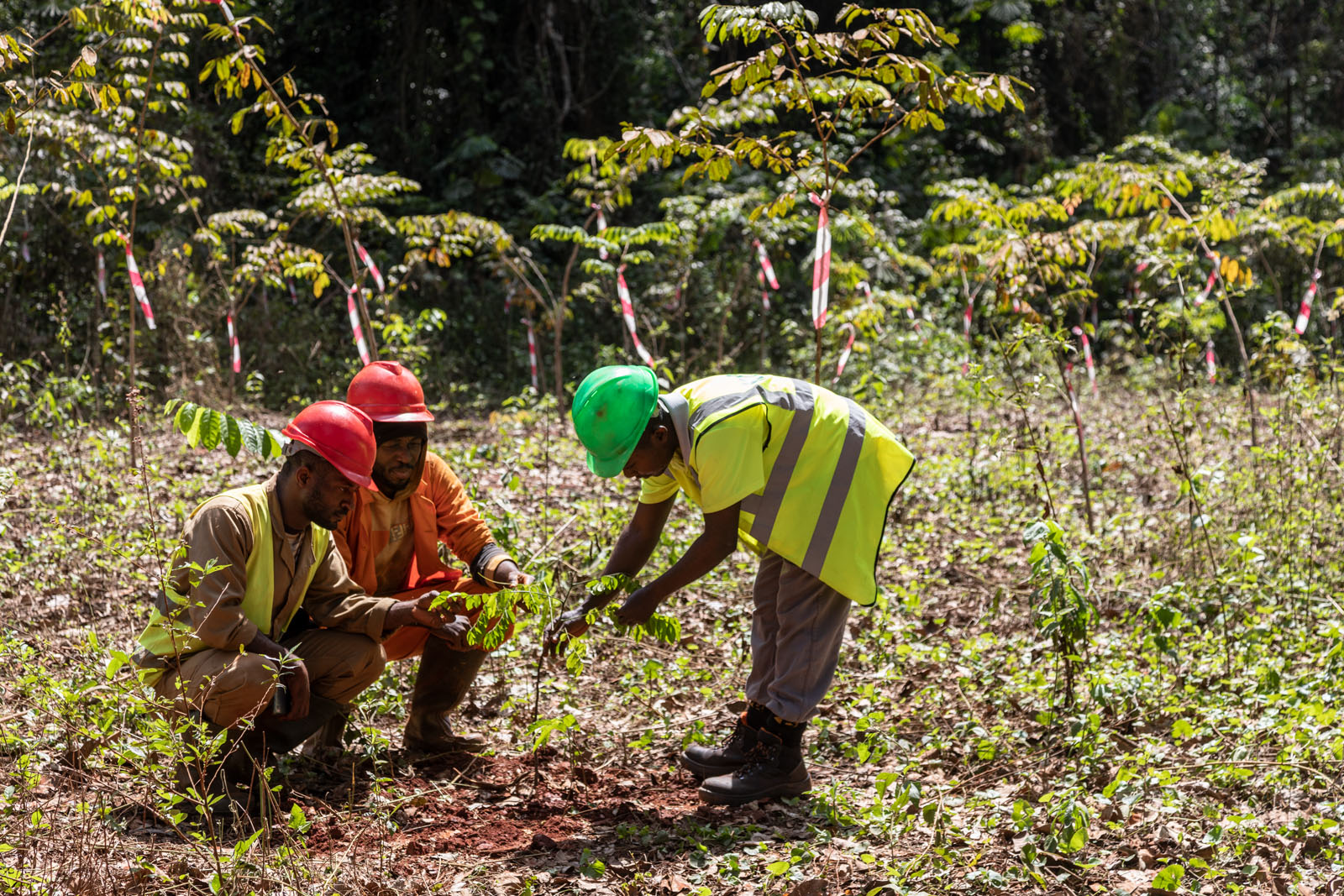
Certification alone does not replace direct knowledge of supply. Sykes Timber travels extensively both internationally and within the UK to inspect forests, sawmills and supply chains firsthand. This includes detailed provenance checks and stump traceability exercises, ensuring material can be traced back to its source and that harvesting practices meet our standards for legality, sustainability and responsible forest management. Long-term relationships with trusted suppliers remain central to maintaining these standards.